The Story
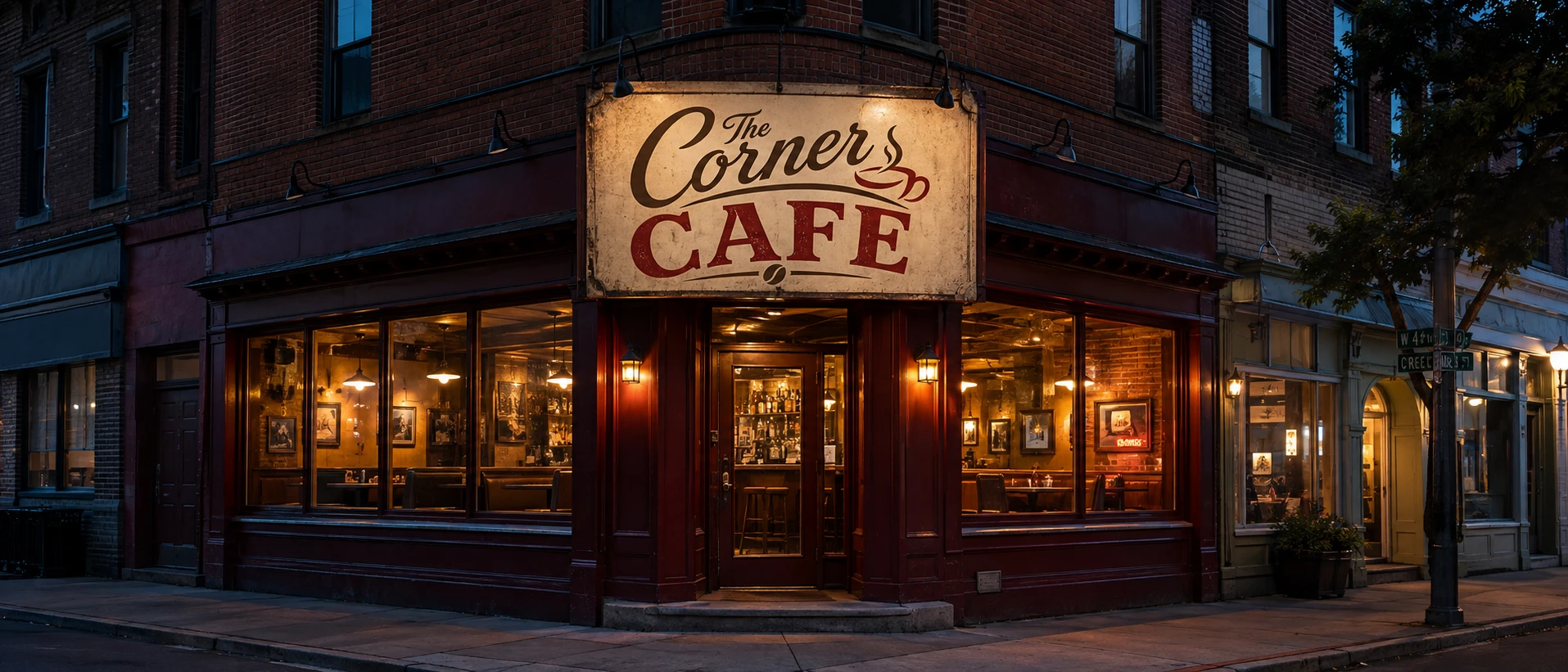
The Corner Café has served its neighborhood for thirty years. Carby Burnzotto inherited its kitchen and its history, and he is convinced survival requires reinvention.
His cousin Ricky is trying to preserve what still works. Sous chef Ah-Choo labels everything in sight. Celebrity chef Betsy Crocker moves through the restaurant with boundless confidence and a unique relationship to reality. Consultant John Tougher keeps renaming the business faster than anyone can replace the signs.
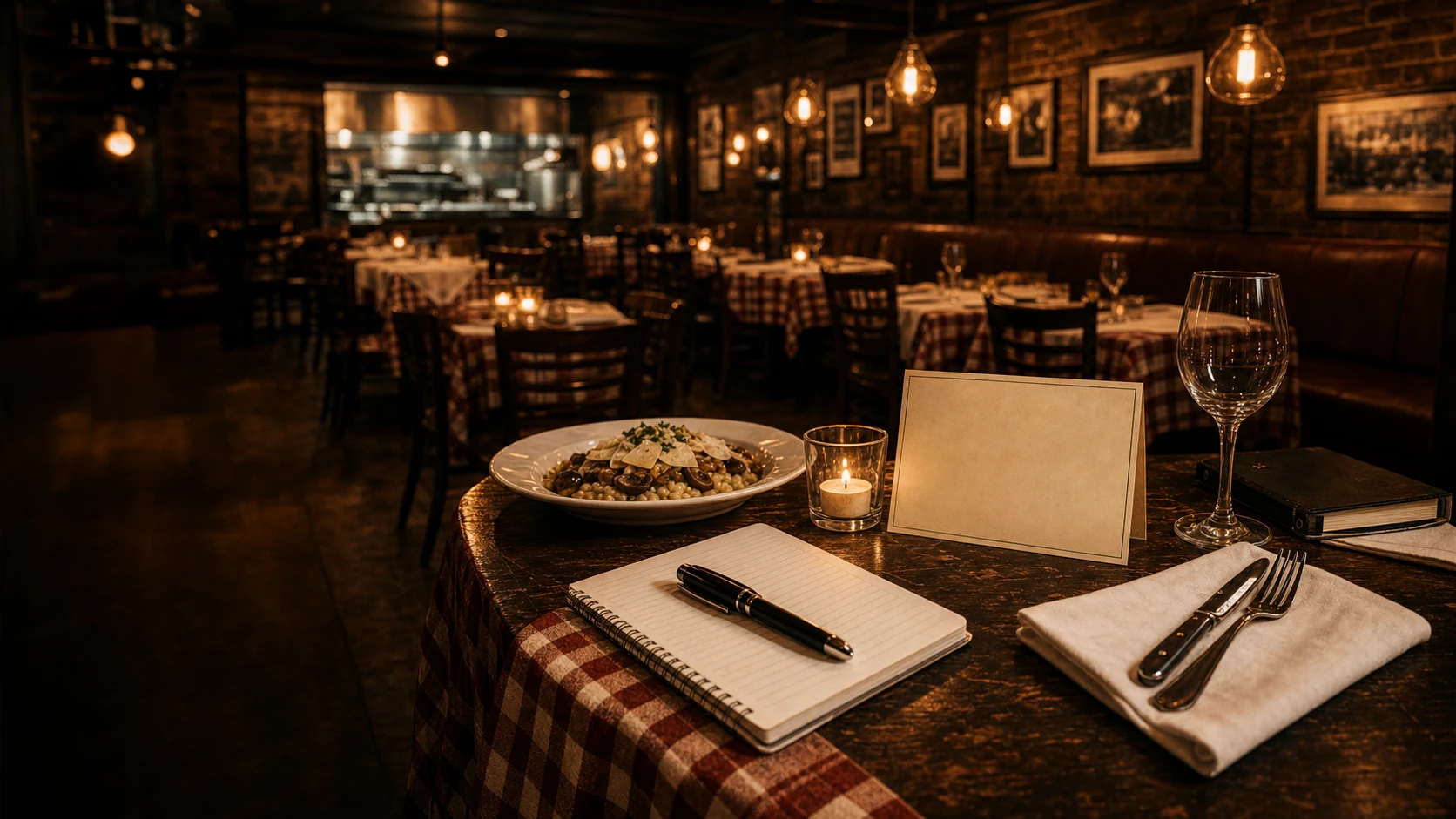
Then the city’s most feared food critic arrives at Table 7.
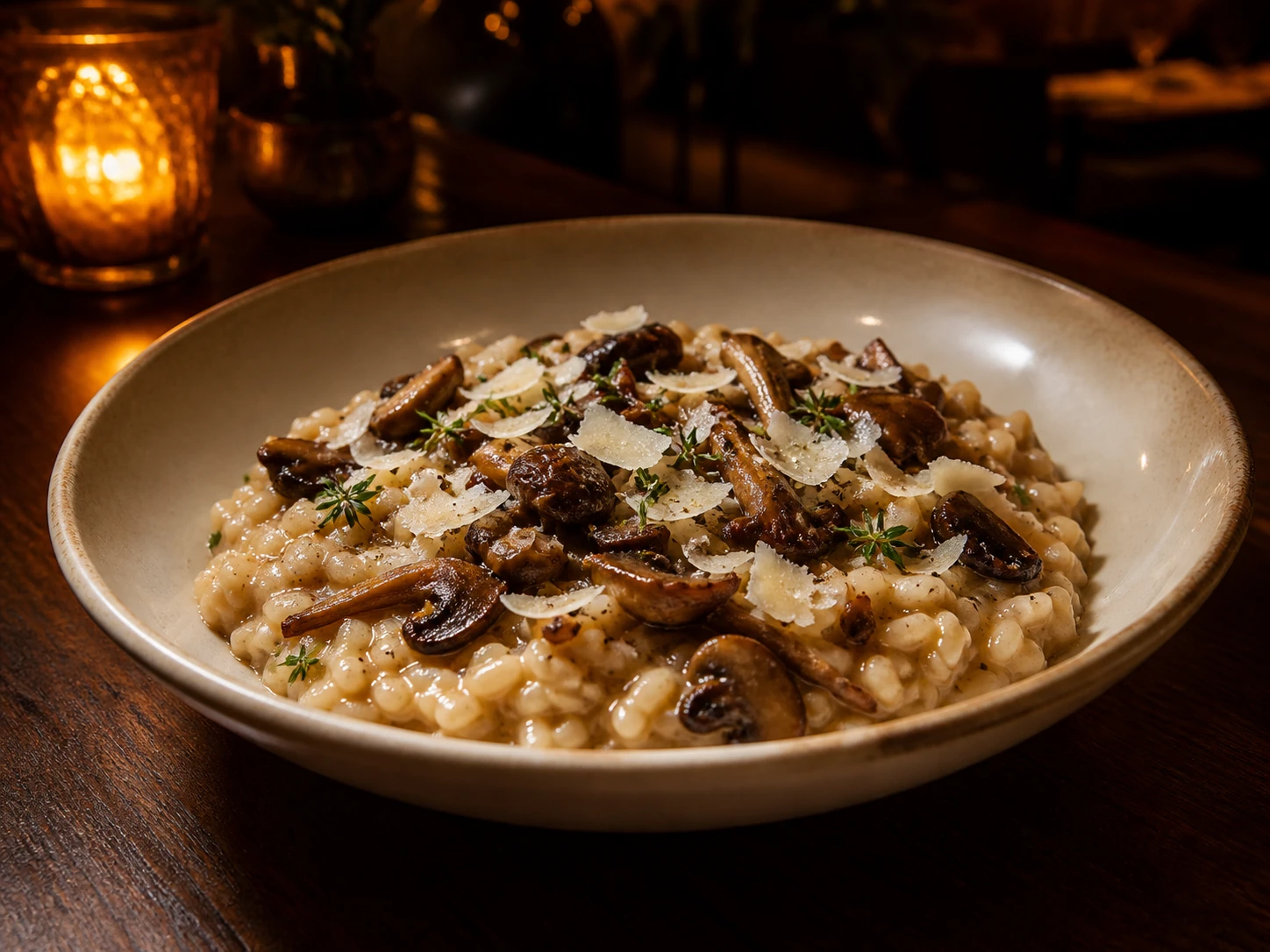
When Saffron Sterling collapses after tasting the mushroom risotto, every character has motive, opportunity, and something to protect. The audience must question the suspects, follow the clues, and decide who turned the relaunch into a culinary crime scene.
Underneath the murder mystery is a more familiar argument: when the thing you love begins to fail, how much of it can you change before it becomes something else?
Why I Wrote It
I’m interested in the moment when “reinvention” stops sounding hopeful and starts sounding violent.
Restaurants make a useful comic arena for that question. They are about food, but they are also about memory, routine, identity, aspiration, and the stories owners tell themselves about what customers want.
Every character is performing a version of competence that no longer works. Carby performs authority. Ricky performs loyalty. John Tougher performs certainty. Even the restaurant performs success for a critic who has come to judge its authenticity.
The comedy begins when everyone’s rescue plan has to survive the same dinner.
Production Approach
Café Rescue is written in the Mystery Theatre Unlimited style: a floor-level interactive mystery designed for restaurants, event spaces, banquet facilities, and other nontraditional venues.
The evening begins with an informal audience mingle, followed by two scripted acts. After Act 2, the audience participates in an unscripted interrogation sequence before the brief resolution reveals the answer.
The comedy depends on speed, recognizable workplace panic, and characters who never realize how funny they are. The restaurant should feel lived-in and alive. Tables, menus, signage, props, costumes, sound cues, and actor energy create the world.
The stakes are real. The clues are fair. The musical parodies should be energetic rather than polished.