The Story
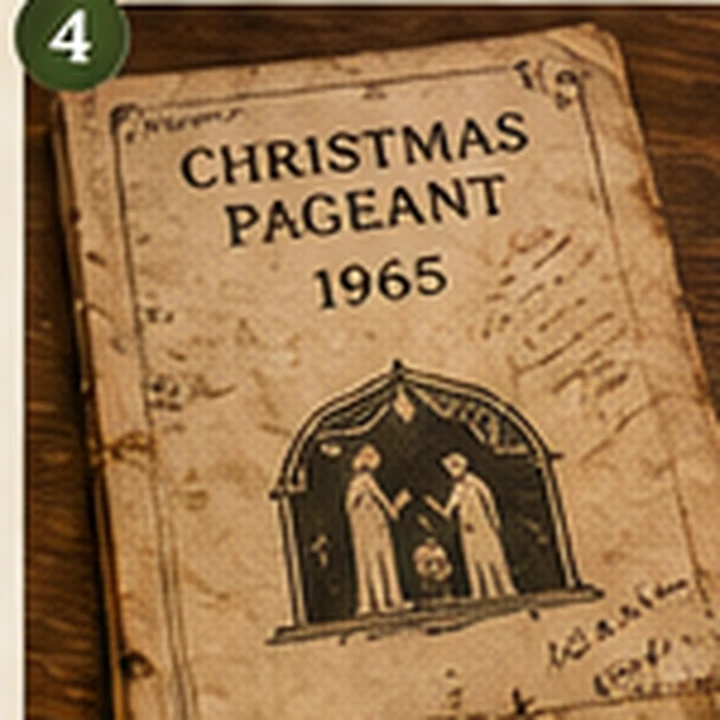
The building where Charlie Braun and his friends staged their first Christmas pageant is being sold. Before it goes, they return for one more rehearsal—sixty-one years after the first and fifty years after the last.
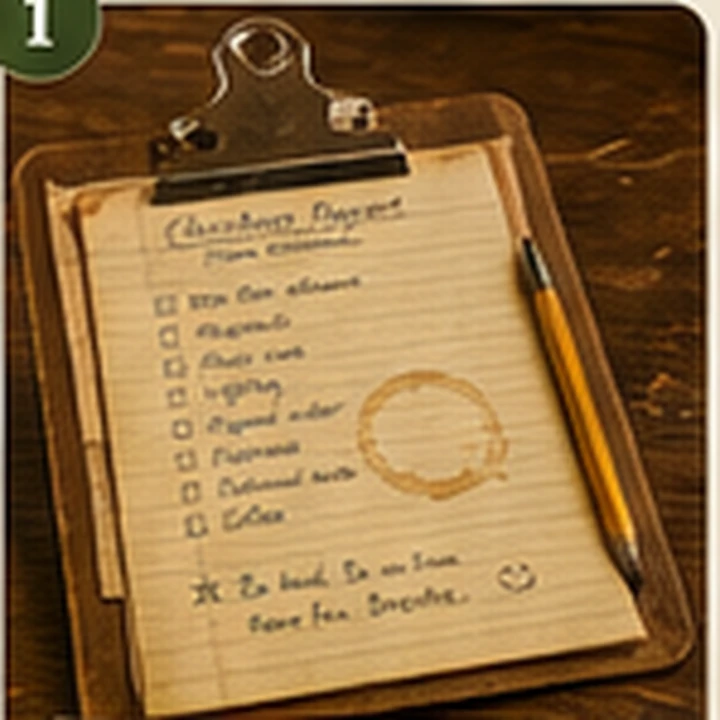
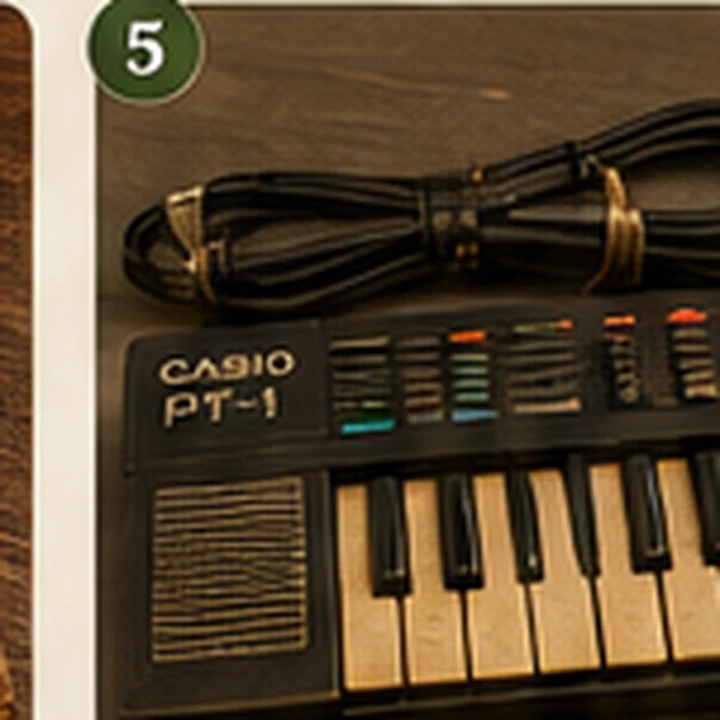
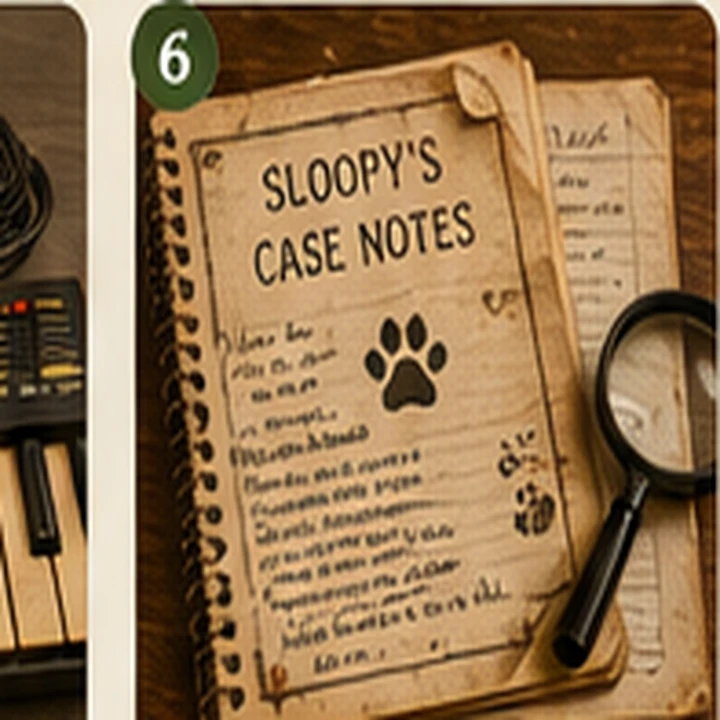
Charlie brings a clipboard. Loocy brings notes on everyone’s blocking. Minus brings three published books’ worth of ethical clarification. Schrader returns to the keyboard and to a role he never agreed to play. Sloopy arrives as himself, which soon includes a camel costume, an aviator cap, and a detective’s notebook.
The wise men enter from the wrong side. Santa Claus appears in the manger. The cardboard star falls. Loocy winds up dead in the nativity.
The audience must question the survivors and decide who is most responsible. The answer has been in the room all night, carried by the one character nobody thought to listen to.
It’s a murder mystery in which the crime is neglect: the visible thing everyone kept stepping around until it finally fell.
Why I Wrote It
I wanted to write about the strange bargain nostalgia offers us: come back to the room, repeat the ritual, and perhaps nothing important will have changed.
But returning doesn’t restore anything. It reveals what time has done—and what the people inside the room have refused to do.
The familiar comic shapes let the play move quickly. Everyone recognizes the clipboard, the blanket, the tiny piano, the hopeless pageant. Then the characters turn out to be nearly seventy, still performing the same roles and still withholding the same sentences.
The joke is that nothing changes. The grief is that people do.
Production Approach
Good Grief, It’s Christmas! is written in the Mystery Theatre Unlimited style: a floor-level interactive mystery for restaurants, event spaces, banquet facilities, and other nontraditional venues.
The evening begins with an informal audience mingle, followed by two scripted acts. After Act 2, the audience joins an unscripted interrogation and completes a Detective Card before the brief resolution.
Three audience members become the Wise Men. Two more play the second-grade teacher and the Little Red-Haired Girl, with additional guests encouraged to dance and sing.
The scenic needs are deliberately light: a keyboard, clipboard, star, nativity pieces, camel costume, blanket, backpack, and Sloopy’s accumulating detective gear. The emotional precision should be exact. The pageant can remain cheerfully disastrous.