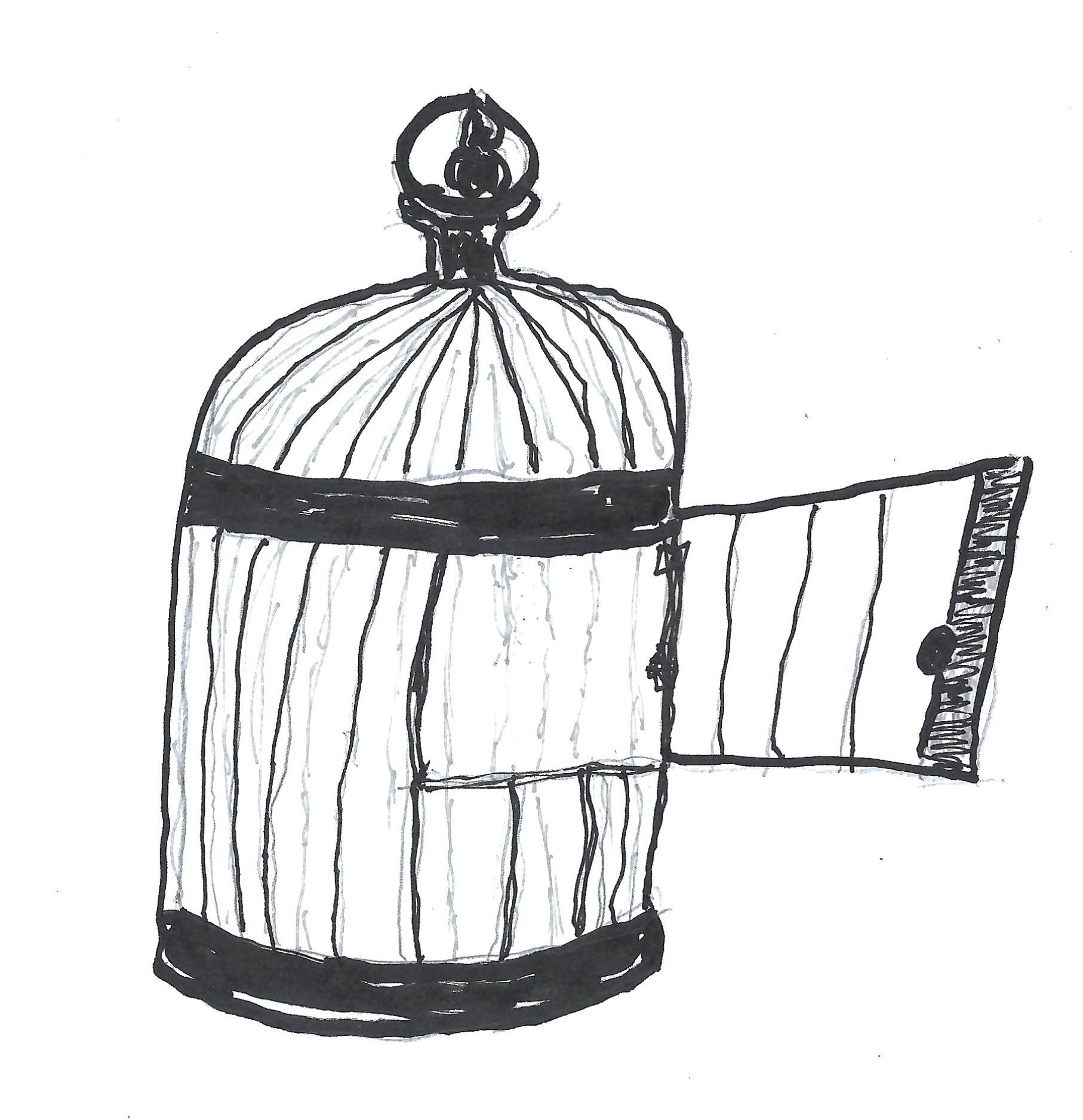
I don’t begin by asking what a character feels.
I begin by asking what they can no longer avoid.
Most discussions of character begin with psychology.
What’s their wound?
What do they want?
What happened before the play began?
Those are useful questions.
They just aren’t the first ones I ask.
The question that interests me most is structural.
What set of pressures, obligations, limitations, and expectations will make this particular person reveal something they would never reveal if left alone?
I design constraints.
The characters experience them as cages.
That’s where dramatic freedom comes from.
Not unlimited choice.
Consequence.
Every play quietly removes exits until only the important decisions remain.
The audience experiences those decisions as character.
I experience them as architecture.
Places taught me that more clearly than any play I’ve written.
The rehearsal room matters because it imposes obligations.
Sarah and Eli cannot simply leave.
They cannot stop rehearsing.
They cannot suddenly decide to become honest.
Every convention surrounding the room asks them to keep performing.
The structure quietly narrows every available choice until pretending becomes harder than telling the truth.
I didn’t invent their feelings.
I built the circumstances that made concealing those feelings increasingly impossible.
Fine applies the same instinct through language instead of space.
Every answer has to be the same word.
The rule doesn’t tell the audience who these people are.
It removes almost every easy way they might hide.
Meaning migrates into pauses.
Inflection.
Timing.
Silence.
The one-word rule doesn’t reduce the characters.
It reduces the available exits.
You discover who someone is by watching what they do with the little room that’s left.
Remains required a different kind of cage.
A cabin.
A storm.
Boxes that have to be sorted before anyone can leave.
None of those choices exists merely to advance the plot.
Each one removes another escape.
The weather keeps the family together.
The inheritance gives them something that cannot be postponed.
The boxes let everyone argue about objects while quietly arguing about grief.
Pressure accumulates until honesty becomes easier than avoidance.
Different plays require different architectures.
Sometimes the cage is a room.
Sometimes it’s language.
Sometimes it’s chronology.
Sometimes it’s weather.
Sometimes it’s family itself.
The materials change.
The principle doesn’t.
I spend surprisingly little time inventing personalities.
I spend a great deal of time designing situations people cannot escape honestly.
The tighter the design, the more specific the behavior.
The more specific the behavior, the more unmistakably human the character becomes.
Characters rarely reveal themselves because I understand them.
They reveal themselves because the architecture leaves them nowhere else to go.